

Eco friendly packaging has shifted from a niche idea to an urgent expectation for many businesses in the United States. As customers become more aware of environmental issues, they also look for brands that take real steps to reduce waste. Companies across many industries now see sustainable packaging not only as a responsible choice but also as a smart business move. With simple changes in materials, design, and waste reduction, businesses can build trust, lower environmental impact, and stay ahead of shifting consumer values.
 Shutterstock: Deemerwha studio
Understanding What Makes Packaging Eco Friendly
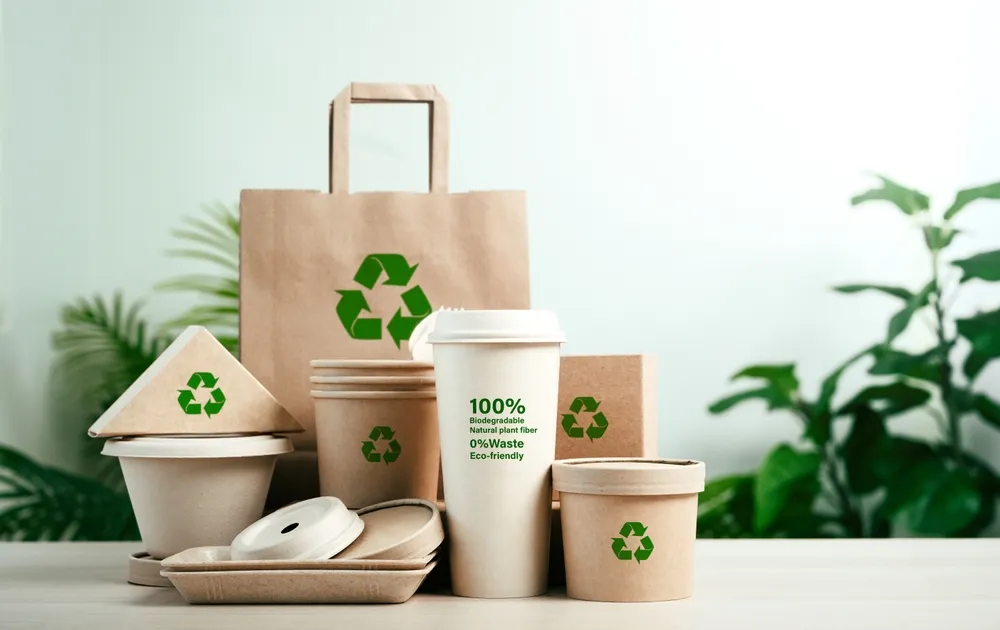
Eco friendly packaging is any type of material designed to reduce environmental harm. This may include packaging made from recycled materials, compostable fibers, or reusable containers. Some businesses also redesign their packaging to use fewer layers or smaller sizes, lowering material use overall.
Clear labeling is another part of eco friendly strategy. When customers understand whether something is recyclable or compostable, they are more likely to dispose of it correctly. The goal is not just to use better materials but to support a full lifecycle that reduces waste at every stage.
Consumer Demand Is Driving Change
Many U.S. customers now prefer products packaged in ways that create less environmental harm. Brands that respond to this trend often see stronger loyalty. Consumers increasingly want to support companies that match their personal values, and packaging is one of the first things they notice when buying a product.
Simple design choices can send strong signals. A box made from recycled cardboard or a compostable mailer shows the customer that the company is making an effort. Even small changes can build trust, especially when they are consistent across product lines. Research shows that more shoppers will pick a brand that demonstrates environmental responsibility, making packaging a major part of brand identity.
Reducing Waste Through Smarter Design
Eco friendly packaging design does not have to be complicated. Many companies start by reducing the amount of packaging used. A smaller box or lighter material can lower shipping weight and reduce waste at the same time. Some businesses switch to single-material packaging, which makes recycling easier and more effective.
Two practical design strategies include:
- Using packaging that can be reused for storage or shipping.
- Designing boxes or containers that fold flat or collapse to reduce transportation emissions.
These steps help decrease waste while supporting a cleaner supply chain. They also show customers that the company is committed to long-term sustainability, not just short-term marketing.
Materials That Support a Greener Future
A growing number of materials now offer both durability and sustainability. Recycled paper and cardboard are widely used because they are strong, affordable, and easy to recycle again. Plant-based materials such as cornstarch packaging, mushroom-based foam, and biodegradable films are becoming more common as businesses look for new alternatives.
Reusable materials are also gaining popularity. Some companies use cloth bags or refillable containers to give customers options beyond single-use packaging. These materials help reduce landfill waste and encourage a cycle of reuse. While each option has its own benefits, the main goal is always to lower environmental impact without reducing product quality.
Eco Friendly Packaging as a Competitive Advantage
More U.S. businesses are discovering that sustainability creates meaningful value. Eco friendly packaging can help brands stand out in crowded markets, especially when customers compare similar products. A commitment to sustainable materials may also help companies meet government guidelines, avoid future regulations, and improve their public image.
Sustainable packaging also supports long-term savings. Using fewer materials, smaller containers, or lighter designs can lower shipping costs and reduce excess inventory. Businesses that adopt these practices early often gain an advantage because they are prepared for growing demand and environmental expectations.
Building a Sustainable Direction for the Future
Eco friendly packaging is no longer just an option—it is becoming a core part of modern business strategy in the United States. Companies that use better materials, design smarter packaging, and lead with transparency send a strong message about their values.
As customers continue to prioritize sustainability, businesses that invest in eco friendly solutions will be better positioned for long-term success. By making thoughtful choices today, companies can help shape a cleaner, more responsible future for everyone. And who doesn’t want to support a business with that mission?